


What Is a Zigbee Radar Occupancy Sensor?
A Zigbee radar occupancy sensor is designed to detect human presence rather than simple motion. Unlike traditional PIR motion sensors that rely on heat changes caused by movement, radar-based occupancy sensors use radio wave reflection to identify micro-movements, such as breathing or slight posture changes.
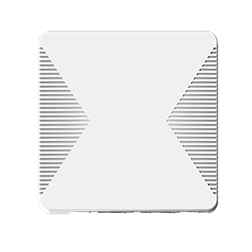
The OPS305 Zigbee Radar Occupancy Sensor is built specifically for smart buildings, HVAC control, and space utilization scenarios where reliable presence detection is critical. It enables automation systems to respond intelligently—keeping lighting, climate, and energy systems active only when spaces are truly occupied.
This makes radar-based occupancy sensing an essential upgrade for modern building automation projects that demand accuracy, reliability, and reduced false triggers.
Main Features:
• ZigBee 3.0
• Discern presence, even if you are in a stationary posture
• More sensitive and accurate than PIR detection
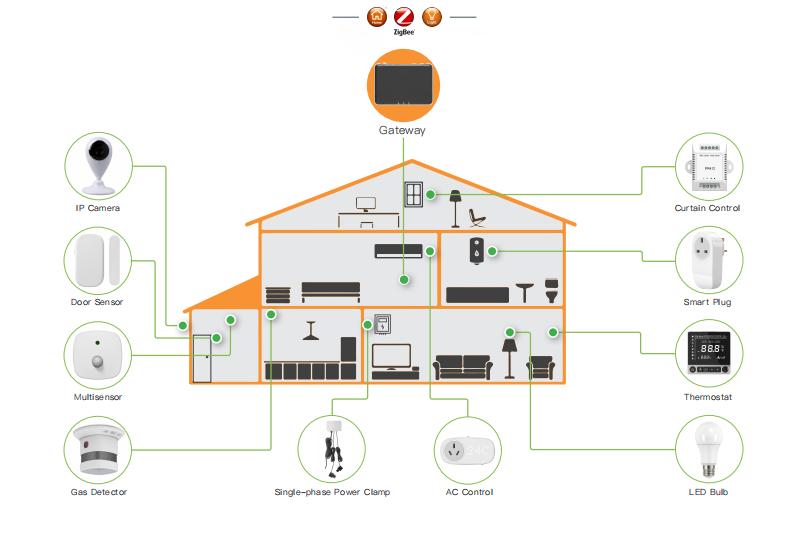
• Extend the range and strengthen ZigBee network communication
• Suitable for both residential and commercial application
Application Scenarios:
The OPS305 is widely deployed in scenarios where motion detection alone is insufficient:
HVAC occupancy-based control
Maintain heating or cooling only when spaces are truly occupied
Office and meeting rooms
Prevent systems from shutting down during long, low-movement meetings
Hotels and serviced apartments
Improve guest comfort while reducing energy consumption
Healthcare and elderly care facilities
Detect presence without requiring active movement
Smart building automation systems (BMS)
Enable accurate space utilization and automation logic
Frequently Asked Questions
Q: Can the OPS305 replace traditional motion sensors?
In many professional applications, yes. Radar occupancy sensors provide more accurate presence detection, especially in environments where occupants remain still for extended periods.
Q: Is radar-based sensing safe?
Yes. The OPS305 operates at extremely low power levels and complies with applicable safety standards for indoor sensing devices.
Q: Can multiple OPS305 sensors be used in one project?
Yes. Large projects often deploy multiple sensors across zones, all connected through the Zigbee mesh network.
Shipping:

▶ Main Specification:
| Wireless Connectivity | ZigBee 2.4GHz IEEE 802.15.4 |
| ZigBee Profile | ZigBee 3.0 |
| RF Characteristics | Operating frequency:2.4GHzRange outdoor/indoor:100m/30m |
| Operating Voltage | Micro-USB |
| Detector | 10GHz Doppler Radar |
| Detection Range | Maximum radius: 3m Angle: 100° (±10°) |
| Hanging height | Maximum 3m |
| IP rate | IP54 |
| Operating environment | Temperature:-20 ℃~+55 ℃ Humidity: ≤ 90% non-condensing |
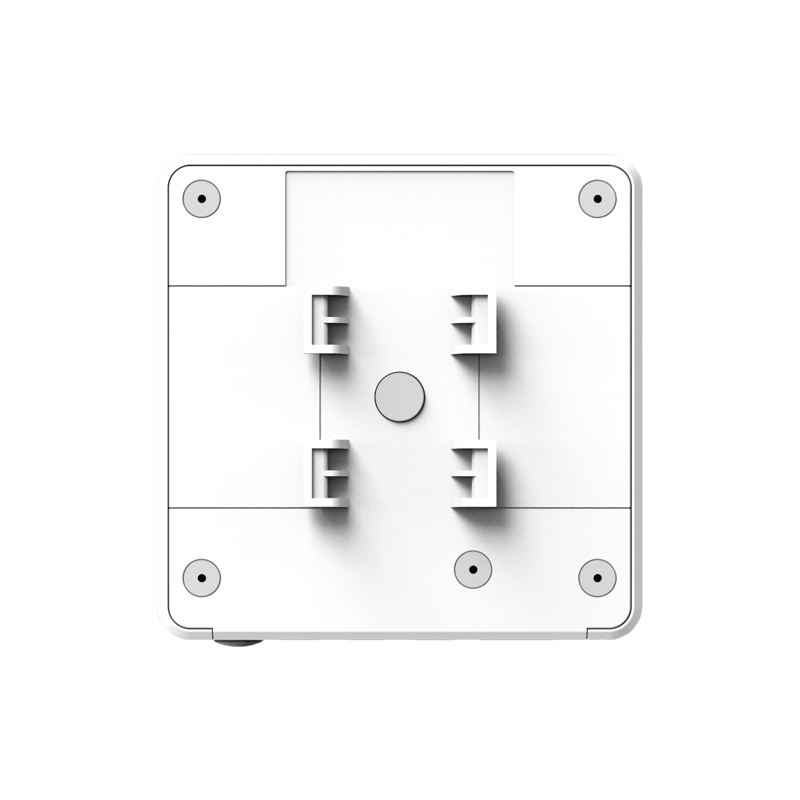
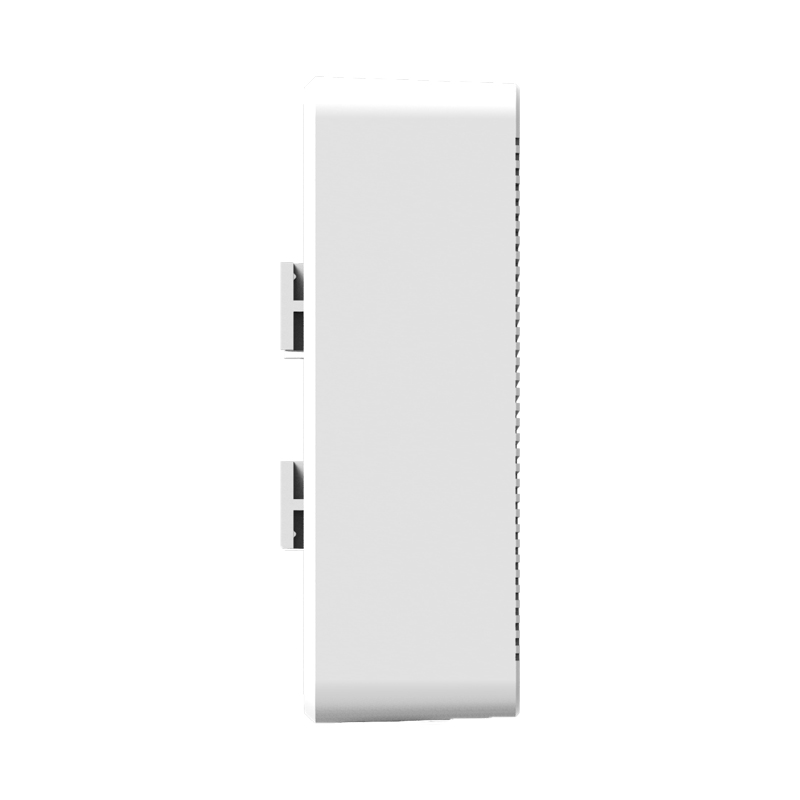
| Dimension | 86(L) x 86(W) x 37(H) mm |
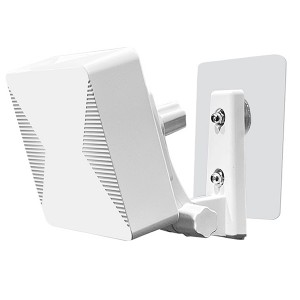
| Mounting Type | Ceiling/Wall mount |
-

ZigBee Multi-Sensor | Motion,Temp,Humidity & Vibration Detector
-

Zigbee Door Sensor | Zigbee2MQTT Compatible Contact Sensor
-
Zigbee Fall Detection Sensor for Elderly Care with Presence Monitoring | FDS315
-
Zigbee Motion Sensor with Temperature & Humidity | PIR323
-

Zigbee Temperature Sensor with Probe | For HVAC, Energy & Industrial Monitoring