What Is a Zigbee Smoke Alarm System?
Zigbee smoke alarm systems provide connected, intelligent fire safety for modern residential and commercial properties. Unlike traditional standalone smoke detectors, a Zigbee-based smoke alarm system enables centralized monitoring, automated alarm response, and integration with building or smart home platforms through a wireless mesh network.
In practical deployments, a Zigbee smoke alarm system is not just a single device. It typically consists of smoke detection sensors, gateways, alarm relays or sirens, and software platforms that work together to deliver real-time visibility and coordinated response. This architecture allows property managers, facility operators, and system integrators to monitor safety conditions across multiple units or floors from a unified interface.
As smart buildings continue to adopt connected infrastructure, Zigbee smoke alarm systems are increasingly used to replace isolated fire alarms with scalable, low-maintenance, and automation-ready safety solutions.
Why Traditional Smoke Detectors Create Operational Challenges
For property managers, hotel chains, and system integrators, traditional smoke detectors represent a significant operational burden. These devices operate independently, triggering a local sound only after smoke is detected, without providing remote visibility or centralized control.
According to the National Fire Protection Association (NFPA), approximately 15% of smoke alarms in homes are not functional, primarily due to dead or missing batteries. In multi-unit residential or commercial environments, this problem is magnified—manual inspections become costly, faults remain undetected, and response times are delayed.
Without connectivity, traditional smoke detectors cannot report status, support automation, or integrate with broader safety systems. This limitation makes it difficult to achieve proactive fire safety management at scale.
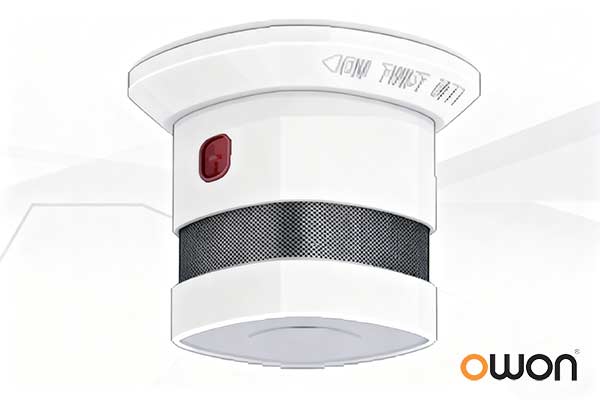
Zigbee Smoke Alarm vs Traditional Smoke Detector: Key Differences
The shift toward Zigbee-based alarm systems reflects a fundamental change in how fire safety is designed and managed.
| Feature | Traditional Smoke Detector | Zigbee Smoke Alarm System |
|---|---|---|
| Connectivity | Standalone, no network | Zigbee wireless mesh |
| Monitoring | Local audible alert only | Centralized monitoring |
| Alarm Response | Manual intervention | Automated relay & siren triggers |
| Integration | None | BMS / smart home platforms |
| Maintenance | Manual battery checks | Remote status & alerts |
| Scalability | Limited | Suitable for multi-unit properties |
While a smoke detector focuses on detecting smoke, a Zigbee smoke alarm system extends this capability to alarm coordination, automation, and remote management, making it better suited for modern building safety requirements.
How Zigbee Smoke Alarm Systems Work in Real Projects
In a typical deployment, Zigbee smoke sensors detect smoke conditions and transmit events through the Zigbee mesh network to a central gateway. The gateway then communicates with local or cloud-based platforms to execute predefined responses.
These responses may include:
-
Triggering sirens or visual alarms via Zigbee relays
-
Sending alerts to building dashboards or mobile applications
-
Activating emergency lighting or ventilation controls
-
Logging events for compliance and post-incident analysis
Because Zigbee operates as a self-healing mesh, devices can relay signals for one another, improving coverage and reliability across large properties without complex rewiring.
Integration with Building and Smart Home Platforms
One of the key advantages of Zigbee smoke alarm systems is their ability to integrate with existing platforms. Gateways typically expose device status and alarm events through standard interfaces, allowing seamless connection with:
-
Smart home platforms
-
Building management systems (BMS)
-
Property monitoring dashboards
-
Local automation logic
This integration enables real-time visibility, centralized control, and faster emergency response, particularly in multi-unit residential, hospitality, and light commercial environments.
For device-level pairing, battery management, and sensor configuration, readers can refer to a dedicated Zigbee smoke detector integration guide.
Strategic Applications Across Properties
Zigbee smoke alarm systems are commonly deployed in:
-
Apartment buildings and multi-family housing
-
Hotels and serviced residences
-
Office buildings and mixed-use properties
-
Student housing and senior living facilities
In these environments, the ability to monitor alarm status remotely, automate responses, and reduce manual maintenance efforts delivers tangible operational value while improving occupant safety.
Frequently Asked Questions About Zigbee Smoke Alarm Systems
Can Zigbee smoke alarm systems work with relays or sirens?
Yes. Alarm events can trigger Zigbee relays or sirens to activate audible alerts, control emergency lighting, or execute predefined automation rules as part of a coordinated response.
How do Zigbee smoke alarm systems integrate with property or building platforms?
Smoke alarm events are typically routed through smart gateway that exposes device status and alarms to building or property management platforms, enabling centralized monitoring and alerting.
What certifications should be considered for commercial deployments?
Commercial projects should comply with local fire safety regulations and standards. It is essential to confirm that devices are tested and certified for the target market before deployment.
Conclusion: A Smarter Approach to Fire Safety
Zigbee smoke alarm systems represent a practical evolution from isolated fire alarms to connected, intelligent safety infrastructure. By combining wireless detection, centralized monitoring, and automated response, these systems help modern properties improve safety outcomes while reducing operational complexity.
For system designers and property stakeholders planning scalable fire safety deployments, Zigbee-based alarm architectures provide a flexible foundation that aligns with the broader trend toward smart, connected buildings.
Post time: Oct-29-2025